Department of Pharmacy, JES’s SND College of Pharmacy, Babhulgaon (Yeola), India
Chromatographic techniques are essential tools in modern analytical chemistry, enabling the separation, identification, and quantification of complex mixtures. Among these, ion exchange chromatography and high-performance thin-layer chromatography (HPTLC) are widely utilized for their precision, efficiency, and versatility across various scientific and industrial domains. Ion exchange chromatography, a classical yet powerful method, operates based on the reversible exchange of ions between a stationary resin and a mobile phase. It has gained prominence in pharmaceutical, biotechnological, and environmental analyses for its ability to purify biomolecules, antibiotics, and other charged compounds with high selectivity and reproducibility. On the other hand, HPTLC represents an advanced evolution of traditional TLC, offering enhanced resolution, sensitivity, and automation. It integrates modern detection methods and computerized data processing, enabling both qualitative and quantitative analysis of diverse samples, from pharmaceuticals to natural products. The technique?s adaptability and rapid throughput make it invaluable for method development, validation, and quality assurance. Collectively, these chromatographic methods play a crucial role in improving analytical reliability, ensuring product consistency, and advancing research across scientific and industrial sectors.
Herbal medicine has long been an integral part of healthcare systems across the world, with the World Health Organization estimating that nearly 80% of the global population relies on plant-derived preparations for their primary healthcare needs [1]. Plants are abundant reservoirs of bioactive secondary metabolites, including alkaloids, flavonoids, terpenes, phenolic acids, tannins, glycosides, and saponins, many of which exhibit pharmacological effects ranging from antimicrobial and antioxidant to anticancer and neuroprotective activities [2]. As demand for phytopharmaceuticals, nutraceuticals, cosmeceuticals, and herbal supplements increases, the need for reliable, efficient, and reproducible extraction and analytical methods has become more critical than ever. Herbal drug standardization remains challenging due to variability in raw materials, complexity of phytochemical mixtures, and lack of global harmonization in quality control practices [3]. These limitations necessitate the development and implementation of cutting-edge extraction and analytical methodologies to ensure efficacy, safety, sustainability, and regulatory compliance in modern herbal technology. Traditional extraction techniques such as maceration, percolation, decoction, infusion, and Soxhlet extraction have been extensively employed for centuries to isolate bioactive constituents from medicinal plants. While these approaches are simple and well established, they often require large volumes of organic solvents, extended extraction times, and elevated temperatures that may degrade thermolabile compounds [4]. Moreover, conventional processes are generally less selective, resulting in extracts with unwanted impurities or lower yields of target compounds. With the growing global emphasis on sustainability and green chemistry, these drawbacks have raised concerns regarding environmental impact, solvent toxicity, and scalability for industrial applications [5]. Thus, transitioning toward innovative extraction technologies that minimize solvent consumption, reduce energy input, preserve thermolabile phytochemicals, and enhance selectivity has become a pivotal focus in contemporary herbal research.
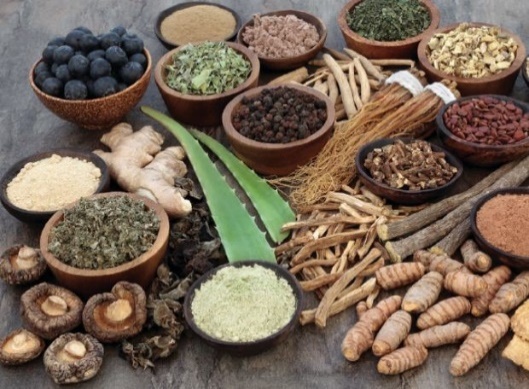
Figure 1: Ayurvedic Medicine for Advance Herbal Technology
Over the past two decades, significant advances have been made in non-conventional and green extraction technologies. Ultrasound-assisted extraction (UAE) and microwave-assisted extraction (MAE) have gained prominence due to their ability to disrupt plant cell walls, enhance solvent penetration, and accelerate mass transfer, thereby reducing extraction time and solvent usage compared to conventional methods [6]. Supercritical fluid extraction (SFE), especially using supercritical CO?, offers the advantages of tunable selectivity, minimal solvent residues, and eco-friendliness, making it particularly attractive for lipophilic compounds [7]. Similarly, pressurized liquid extraction (PLE) and subcritical water extraction (SWE) have emerged as promising methods for extracting thermally stable bioactives under controlled conditions [8]. Enzyme-assisted extraction (EAE) represents another sustainable strategy, in which hydrolytic enzymes selectively degrade cell wall components to facilitate release of phytochemicals [9]. More recently, the application of deep eutectic solvents (DES) and natural deep eutectic solvents (NADES) has revolutionized the field by providing green, biodegradable, and highly tunable alternatives to toxic organic solvents for phytochemical recovery [10]. These advanced methodologies not only improve extraction efficiency but also align with regulatory and consumer demand for eco-friendly herbal products. Parallel to advancements in extraction, analytical methodologies for herbal standardization and quality control have also undergone remarkable evolution. Classical approaches like thin-layer chromatography (TLC) and high-performance thin-layer chromatography (HPTLC) continue to serve as rapid, cost-effective tools for qualitative fingerprinting [11-13]. However, the complexity of phytochemical matrices necessitates high-resolution platforms such as high-performance liquid chromatography (HPLC) and ultra-performance liquid chromatography (UPLC) coupled with photodiode array (PDA), fluorescence, or mass spectrometry detectors for robust quantification and profiling [14]. Hyphenated techniques like gas chromatography–mass spectrometry (GC–MS), liquid chromatography–mass spectrometry (LC–MS/MS), and nuclear magnetic resonance (NMR) spectroscopy enable structural elucidation, metabolomic fingerprinting, and detection of adulteration [15,16]. Chemometric approaches, employing multivariate statistical tools such as principal component analysis (PCA) and partial least squares discriminant analysis (PLS-DA), further facilitate the interpretation of large datasets generated by these advanced techniques, ensuring comprehensive quality evaluation and authenticity verification [17]. Despite these technological breakthroughs, challenges remain in achieving global standardization of herbal products. Variability in phytochemical composition due to factors such as plant genetics, geographical origin, climate, harvest season, and post-harvest processing complicates reproducibility of extracts [18]. Additionally, lack of universally available reference standards for many phytochemicals limits accurate quantification and regulatory acceptance. Moreover, industrial scalability of advanced extraction methods often requires optimization of parameters including solvent selection, temperature, pressure, extraction time, and power input, which can vary depending on the target compound and plant matrix [19]. Furthermore, while advanced analytical tools provide deeper insights into phytochemical composition, their high cost, requirement of technical expertise, and need for chemometric integration pose practical limitations for widespread adoption in resource-limited settings [20]. Given these considerations, this review aims to provide a comprehensive overview of cutting-edge extraction and analytical methodologies in herbal technology, highlighting their principles, advantages, limitations, and applications in enhancing yield, selectivity, and quality of herbal extracts. Special emphasis will be placed on green extraction approaches, novel solvents, hyphenated analytical platforms, chemometrics, and regulatory aspects of method validation. By integrating current advances with case studies and future perspectives, this review seeks to bridge the gap between laboratory research and industrial application, offering valuable insights for researchers, herbal industries, and regulatory bodies striving toward sustainable and standardized herbal product development.
Different Methods of Identification of Plants
1) Expert Determination: Expert determination is considered the most accurate and reliable method of plant identification. Experts are usually authors of monographs, revisions, synopses, or other treatments of the group in question, and their taxonomic concepts are often incorporated in current floras or manuals. Experts are commonly found in herbaria, botanical gardens, museums, colleges, and universities. Although highly trustworthy, this method has certain disadvantages, as it consumes the valuable time of experts and may delay identification.
2) Recognition: Recognition comes next in reliability after expert determination. It depends on the identifier’s extensive prior knowledge and experience with the plant group. This method relies heavily on memory and familiarity, which makes it impractical for large or highly diverse populations.
3) Comparison: Comparison involves evaluating an unknown specimen against identified specimens, pictures, drawings, or descriptions. While dependable, this method may be limited by the availability of appropriate reference materials, making it time-consuming or sometimes nearly impossible.
4) Using Keys and Similar Tools: Keys, outlines, synopses, and related tools represent the most popular method of identification. This approach is widely used because it does not require the resources, time, or expertise needed for expert consultation, recognition, or direct comparison [21,22].
Authentication of Plants
Plant authentication is a quality assurance procedure to ensure that the correct plant species and parts are used as raw materials for herbal medicines. Proper authentication is essential for the safety and efficacy of herbal formulations. Morphological, anatomical, chemical, and DNA markers help distinguish genuine material from imitations, adulterants, and counterfeit drugs. Verification through molecular biology techniques has become increasingly important, especially with the rising popularity of herbal medicines as dietary supplements. For instance, in 1997 alone, U.S. consumers spent an estimated 5.1 billion dollars on herbal remedies, highlighting the urgent need for accurate authentication [23].
Methods of Plant Authentication
a) Macroscopic Identification: This involves comparing plant descriptions in floras or monographs with morphological characteristics visible to the naked eye or under low magnification. Features such as the size, shape and colour of leaves, flowers, or fruits are commonly used in macroscopic identification.
b) Microscopic Identification: Microscopic evaluation focuses on anatomical structures observable only under a microscope. Identification may involve features such as the type and arrangement of stomata, trichomes (hairs), presence or absence of substances like starch, lignin, or mucilage, and the organization of different cell types.
c) Chromatography: Chromatographic techniques separate different chemical components from a mixture. Thin Layer Chromatography (TLC) is one of the most widely used methods for plant authentication, often included in pharmacopeial monographs. TLC produces a chemical “fingerprint” of compounds, which can be compared to pure references or authentic samples.
d) Extraction Methods: Extraction is the first step in isolating natural products from raw plant materials. Techniques include solvent extraction, distillation, pressing, sublimation, and advanced methods such as supercritical fluid extraction.
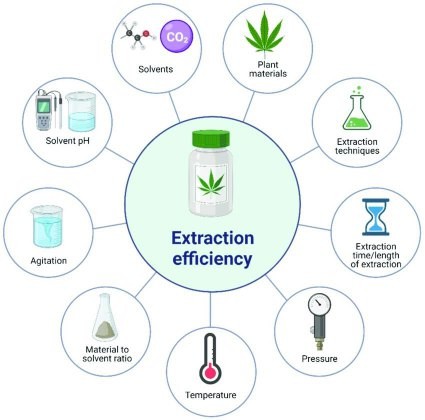
Figure 2: Factors Affecting on Extraction
Types of Extraction Methods
1) Maceration: In this process, the solid plant material is placed in a stoppered container with a suitable solvent and allowed to stand for a period of at least 3–7 days with frequent agitation, until the soluble constituent’s dissolve. The mixture is then strained through sieves or nets, the marc (residue) is pressed, and the combined liquids are clarified by filtration or decantation after standing.
2) Percolation: Percolation involves the continuous downward displacement of the solvent through a bed of powdered crude drug to obtain the extract. It is the most frequently used method for preparing tinctures and fluid extracts. The process is carried out in a percolator a narrow, cone-shaped vessel open at both ends. This method is essentially a continuous form of short successive macerations combined with solvent displacement.
3) Decoction: Decoction is a method of extraction by boiling plant material in water to dissolve the active chemical constituents. It is one of the oldest and most common preparation methods in various traditional herbal medicine systems, especially for hard plant parts such as roots, barks, and seeds.
4) Digestion (in extraction context): In extraction, digestion refers to a process in which plant material is kept in contact with a solvent at a moderate temperature (below boiling) for a specific period. This increases the solubility of the active constituents, thereby enhancing the extraction efficiency.
5) Infusion: Infusion is a method of extraction where plant material (usually soft tissues such as leaves and flowers) is steeped in hot or cold water for a short period of time. This method is widely used in the preparation of herbal teas and similar formulations.
6) Solvent Extraction: Also known as liquid-liquid extraction or partitioning, this method separates compounds based on their relative solubility in two immiscible liquids commonly water and an organic solvent. The desired compound dissolves preferentially in one solvent and can then be separated. This technique is widely used in laboratories as well as in industries such as pharmaceuticals, nuclear processing, mineral processing, fine organic synthesis and perfumery [25].
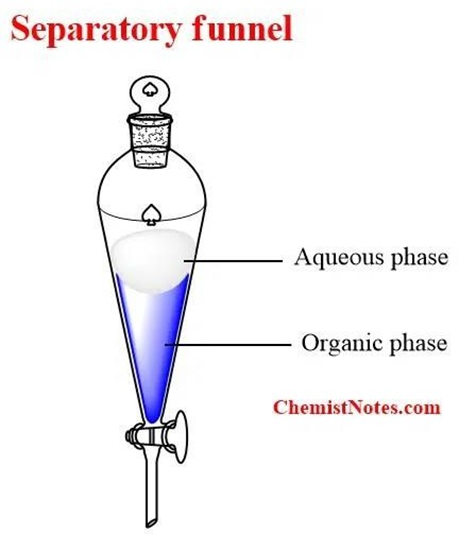
Figure 3: Solvent Extraction Method
Supercritical Fluid Extraction (SFE)
When analyzing complex substances, it is often necessary to separate the analyte(s) from the sample matrix before measurement. An ideal analytical extraction method should be rapid, simple, and cost-effective; it should allow accurate recovery of analytes without loss or degradation; produce sufficiently concentrated analyte solutions for direct measurement without requiring additional concentration steps; and generate minimal laboratory waste. Traditionally, extraction of complex environmental, pharmaceutical, food, and petroleum samples was carried out using bulk solvents such as hydrocarbons or chlorinated organic solvents in a Soxhlet extractor. However, conventional solvent extraction methods have several limitations. They are time-consuming, often requiring many hours to achieve satisfactory recovery; sometimes yield incomplete or unsuccessful results; and involve high costs associated with organic solvents. Moreover, the extracts obtained are frequently too dilute, necessitating a subsequent concentration step that can lead to analyte degradation, sample loss, or atmospheric pollution [26]. To address these challenges, researchers in the mid-1980s began investigating the use of supercritical fluids (SCFs) for analyte isolation. Supercritical fluid extraction (SFE) offers significant advantages over traditional solvent extraction methods. Supercritical fluids substances at conditions above their critical temperature and pressure exhibit unique properties: they have gas-like diffusivity and liquid-like solvating power, enabling efficient penetration into solid matrices and effective solubilization of target analytes. Carbon dioxide (CO?) is the most commonly used SCF because it is inexpensive, non-toxic, chemically inert, and easily removed from extracts by depressurization. SFE has since become a powerful technique across industries and regulatory agencies due to its efficiency, reduced solvent consumption, minimal environmental impact, and ability to produce high-quality extracts suitable for further analytical or pharmaceutical applications.
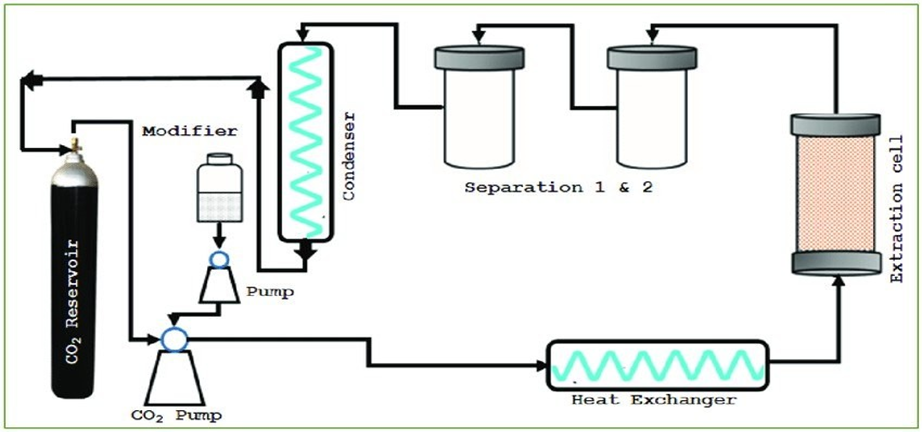
Figure 4: Supercritical Fluid Extraction
Microwave-Assisted Extraction (MAE)
Microwave-assisted extraction (MAE) is currently recognized as one of the most innovative and efficient techniques for isolating bioactive compounds from plant matrices. The method utilizes microwave energy to accelerate extraction by directly interacting with the plant material and the solvent, resulting in faster and more efficient recovery of phytoconstituents. Due to its simplicity of handling, rapid processing, and reproducibility, MAE has proven beneficial for a wide range of herbal specimens. Although still in the early stages of commercial application, research on the functional utility of microwaves in the large-scale production of phytochemicals is ongoing.
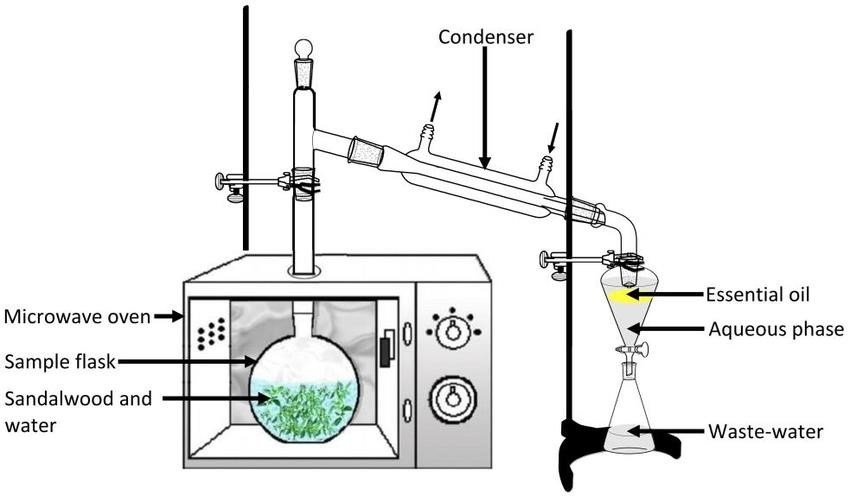
Figure 5: Microwave-Assisted Extraction
Principle of Microwave-Assisted Extraction
Microwaves are a form of electromagnetic radiation with wavelengths ranging from 1 cm to 1 m and frequencies between 300 MHz and 300 GHz (Mandal et al., 2007). These waves consist of two oscillating electric and magnetic fields perpendicular to each other, capable of transmitting both energy and information. In MAE, microwaves interact with polar molecules in the plant matrix and solvent, which absorb the electromagnetic energy and convert it into heat. Commercial microwave systems typically operate at a frequency of 2450 MHz, corresponding to an energy output of approximately 600–700 W (Afoakwah et al., 2012). When microwaves are applied to the extraction medium, they cause polar organic molecules to rotate rapidly. This molecular rotation breaks hydrogen bonds, generating ions and localized heating within the plant tissue. The resulting increase in temperature and pressure leads to cell wall disruption, which enhances solvent penetration and facilitates the release of intracellular phytoconstituents [24,25].
Ultrasound-Assisted Extraction (UAE)
Ultrasound-assisted extraction (UAE) has emerged as a powerful technique for the efficient isolation of bioactive compounds from plant and animal sources. This methodology has been extensively applied in the food, herbal, protein, and nutraceutical sectors due to its ability to enhance extraction yields, reduce extraction times, and increase processing throughput. UAE is particularly effective for extracting polyphenolics, anthocyanins, aromatic compounds, polysaccharides, and other functional bioactive molecules, while maintaining the natural quality of the source material.
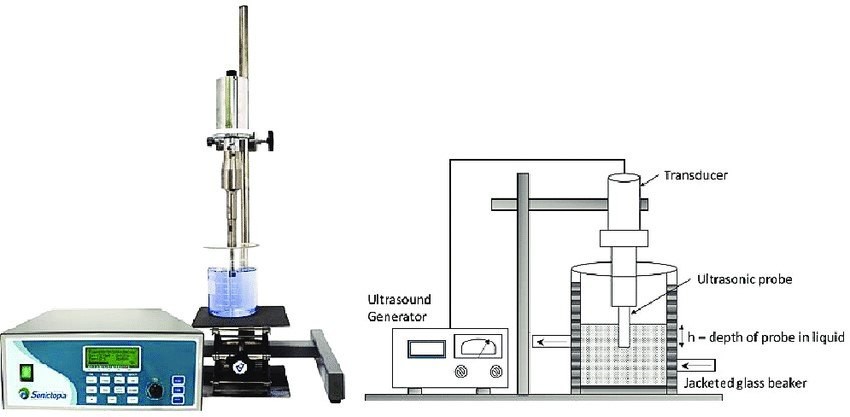
Figure 6: Ultrasound-Assisted Extraction
Principle of Ultrasound-Assisted Extraction
UAE employs ultrasonic waves (typically in the range of 20–100 kHz) to generate acoustic cavitation in the extraction solvent. Cavitation produces microscopic bubbles that collapse violently, generating localized high temperatures and pressures. These micro-jets disrupt plant cell walls and enhance solvent penetration, facilitating the release of intracellular compounds into the solvent. In aqueous systems, UAE can also quench radical-mediated reactions, preventing the degradation of sensitive bioactives during extraction [26].
Column Chromatography
Proteins and other biomolecules differ in terms of size, structure, net charge, binding ability, and interaction with the solid phase. Each of these distinguishing features can be separated using chromatographic procedures, with column chromatography being the most frequently employed technique. This method allows for the purification of biomolecules by exploiting their differential interactions with a stationary phase and a mobile phase. In column chromatography, the stationary phase composed of the material to be separated is first packed into a column. The mobile phase, typically a wash buffer or solvent, is then applied, ensuring that both the stationary phase and the sample mixture pass through a fiberglass-supported inner column material. When the mixture is introduced at the top of the column, its components move at different rates depending on their adsorption and affinity for the stationary phase. Components with higher adsorption or affinity bind more strongly and move more slowly, while those with lower adsorption elute faster. This differential movement allows the separation and collection of individual components from the mixture.
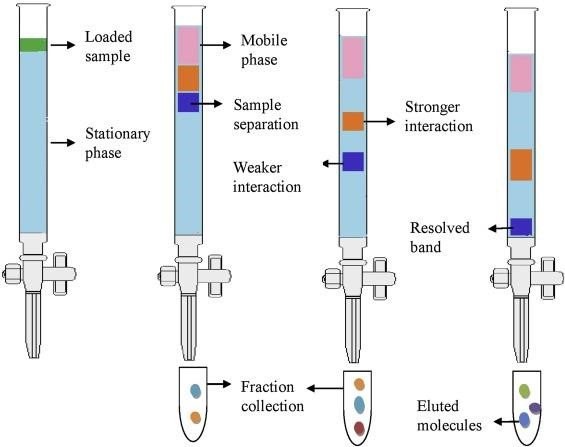
Figure 7: Column Chromatography
The process relies on reversible adsorptive forces, which cause solute molecules to adhere temporarily to the column. The rate of movement of each component is influenced by both the stationary and mobile phases. To prepare a column, silica is combined with an appropriate solvent and poured into a glass column. Using the dry packing method, a slurry of silica and solvent is poured into the column through a funnel until the silica settles uniformly. The mobile phase is then applied, pushing a suitable amount of solvent through the silica to ensure it becomes completely moist and properly packed. Column chromatography remains a versatile and widely used technique for separating, purifying, and analyzing biomolecules in research and industrial applications [25,27].
Ion Exchange Chromatography
Ion exchange chromatography is one of the most potent and traditional forms of liquid chromatography. Its ability to analyze a wide range of molecules in pharmaceutical, biotechnology, environmental, agricultural, and other industries from water purification to the separation of different antibiotics from fermentation broths has increased its popularity in recent years. This technique enhances yields and reduces production times for industrial processes. The primary goal of ion exchange chromatography is to provide a clear understanding of the ion exchange process, helping determine its suitability for specific applications. This technique involves the creation and use of an ion exchange material, typically a resin, which functions by selectively binding charged molecules based on their ionic properties. The method relies on reversible electrostatic interactions between the charged groups of the resin and the target molecules.
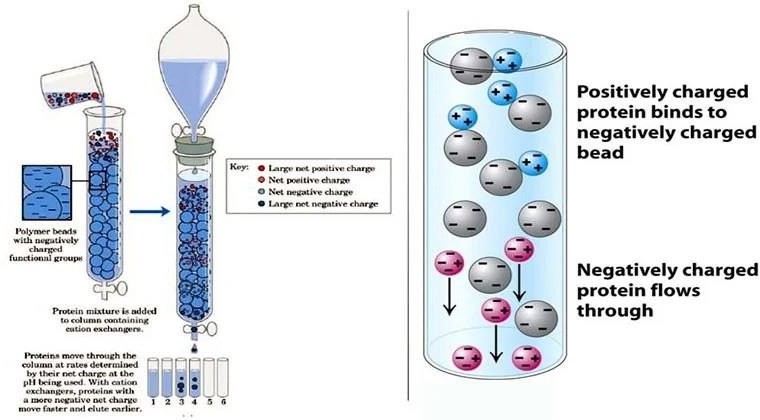
Figure 8: Ion Exchange Chromatography
Ion exchange chromatography encompasses both theoretical and practical aspects, including the design of resins, selection of buffers, instrumentation, and application strategies. Its versatility makes it widely used for purification, separation, and analysis of proteins, peptides, amino acids, nucleotides, and other charged biomolecules in research and industrial settings.
Thin-Layer Chromatography (TLC)
Thin-layer chromatography (TLC) uses a thin glass plate coated with either aluminium oxide or silica gel as the stationary phase. The mobile phase is a solvent chosen according to the properties of the components in the mixture. The principle of TLC is based on the distribution of a compound between a solid stationary phase applied to a glass or plastic plate and a liquid mobile phase moving over the stationary phase. A small amount of a compound or mixture is applied to a starting point just above the bottom of the TLC plate. The plate is then developed in a developing chamber containing a shallow pool of solvent just below the level at which the sample was applied.
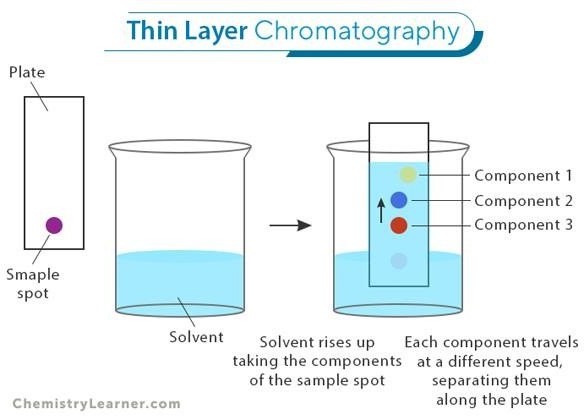
Figure 9: Thin-Layer Chromatography
The solvent is drawn up through the particles on the plate by capillary action. As the solvent moves over the sample, each compound either remains with the solid phase or dissolves in the solvent and moves up the plate. Whether a compound moves up the plate or stays behind depends on its physical properties, especially functional groups, and follows the solubility principle “like dissolves like.” The more similar the physical properties of the compound are to the mobile phase, the longer it will remain in the mobile phase. The mobile phase carries the most soluble compounds the farthest up the TLC plate. Compounds that are less soluble in the mobile phase and have a higher affinity for the stationary phase remain lower on the plate.
Rƒ Values
The behavior of an individual compound in TLC is characterized by a quantity known as the Rƒ value, expressed as a decimal fraction. Rƒ is calculated by dividing the distance travelled by the compound from the original position by the distance travelled by the solvent front:

The Rƒ value depends on the nature of the adsorbent. Different adsorbents will yield different Rƒ values for the same solvent. Reproducibility is only possible when using an adsorbent of constant particle size and binder. Plates should be stored over silica gel in desiccators before use, and the sample should be applied quickly so that atmospheric water vapor is not adsorbed by the plate. Because of the difficulties associated with activation procedures, it is preferable to use plates stored at room temperature without prior activation [28].
Gas Chromatography (GC)
In gas chromatography, the substance to be analyzed is partitioned between a mobile phase and a stationary phase. During separation, the sample is vaporized and carried through a column by the mobile gas phase. Different components are separated based on their vapor pressure and affinity for the stationary phase.
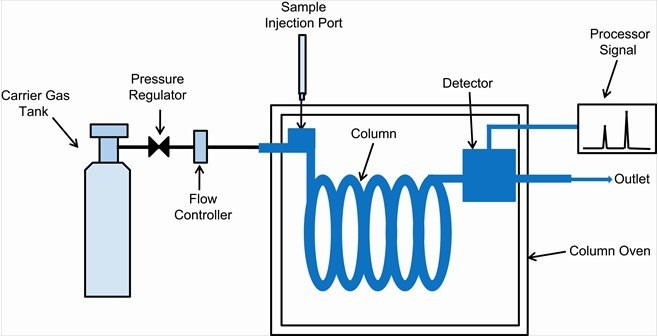
Figure 10: Gas Chromatography
The affinity of a component toward the stationary phase is termed the distribution constant (Kc), also known as the partition coefficient:
Kc = [A]? / [A]m
Where,
[A]? = Concentration of component A in stationary phase
[A]m = Concentration of component A in mobile phase
The movement of different components through the column is controlled by the distribution constant, allowing chromatographic separation based on differences in Kc. The distribution constant depends on the temperature and chemical nature of the stationary phase; therefore, temperature can be adjusted to enhance the separation of different components or to select an appropriate stationary phase. For isolating compounds in complex sample mixtures, gas chromatography serves as a powerful analytical tool. A gas chromatograph uses a narrow column through which various chemical components of a sample pass at different rates in a gas stream, depending on their chemical and physical properties and their interactions with the column packing (stationary phase). The eluted chemicals are detected electronically as they exit the end of the column.
Types of Gas Chromatography
High-Performance Liquid Chromatography (HPLC)
High-Performance Liquid Chromatography, also known as High-Pressure Liquid Chromatography, is a type of column chromatography commonly used in biochemistry and analytical chemistry to separate, identify, and quantify active compounds. HPLC is a popular analytical technique for separating, identifying, and quantifying individual components of complex mixtures. HPLC is a sophisticated column liquid chromatography technique. In conventional column chromatography, the solvent normally flows through the column due to gravity. In HPLC, however, the solvent is pumped under high pressures of up to 400 atmospheres, allowing the sample to be separated into different constituents based on differences in relative affinities.
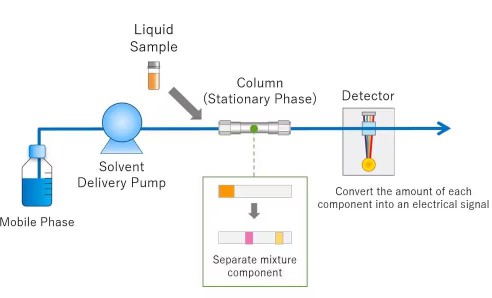
Figure 11: High-Performance Liquid Chromatography
A typical HPLC system comprises:
The retention time of a compound is influenced by interactions between the stationary phase, the analyte molecules, and the mobile phase. Samples to be analysed are introduced in small quantities into the mobile phase stream, and their movement is slowed by specific chemical or physical interactions with the stationary phase. The amount of retardation depends on the nature of the analyte as well as the composition of both the stationary and mobile phases. The retention time is defined as the time it takes for a specific analyte to elute from the column. Common solvents include any miscible combination of water and organic liquids. Gradient elution is often employed to change the composition of the mobile phase during analysis. This approach separates analyte mixtures based on each analyte’s affinity for the current mobile phase. The choice of solvent, additives, and gradient conditions depends on the nature of the stationary phase and the analyte [29].
High-Performance Thin-Layer Chromatography (HPTLC)
High-Performance Thin-Layer Chromatography (HPTLC) is an advanced analytical technique used to study a sample and obtain detailed information about its chemical composition. Any solid, liquid, or gaseous compound can make up the sample being examined, and the analysis produces data relevant to the original question posed about the sample. This information may be qualitative or quantitative. Qualitative information includes types of atoms, molecules, functional groups, or other descriptive measures, while quantitative information provides numerical data, such as the number or concentration of various chemical components in the sample.
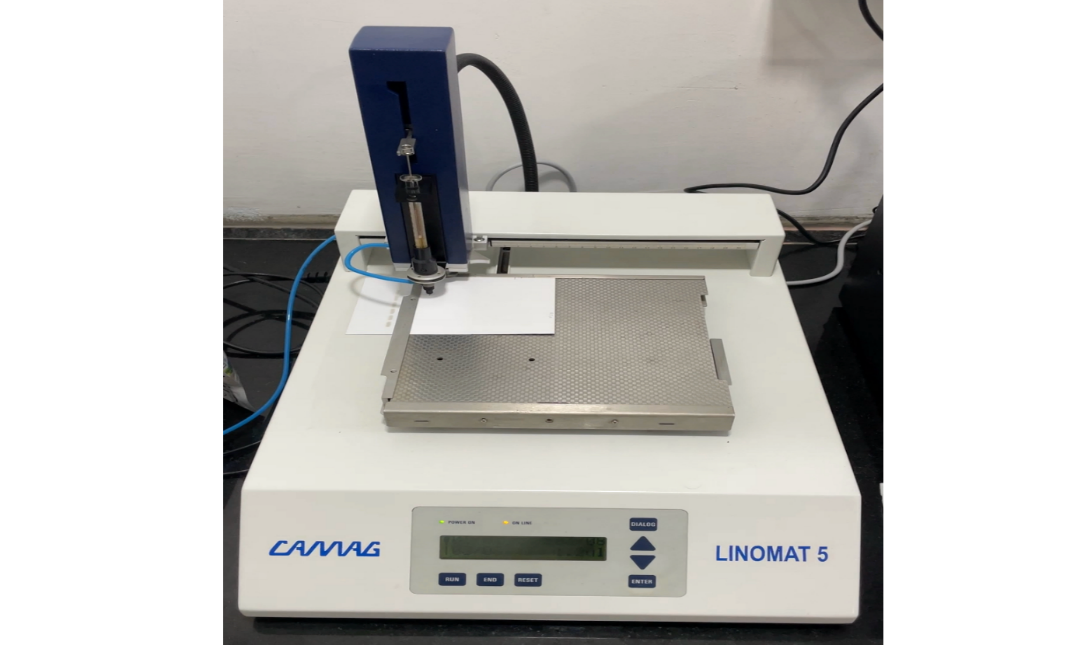
Figure 12: High-Performance Thin-Layer Chromatography
Modern analytical chemistry often involves instruments that perform the actual analysis, with computer software handling data processing and instrument control. As a result, analytical chemistry has become largely computerized. Today, a single sample can yield large amounts of data in a short period. Techniques like infrared (IR) spectroscopy, ultraviolet-visible (UV-Vis) spectroscopy, Raman spectroscopy, mass spectrometry (MS), fluorescence spectroscopy, near-infrared (NIR) spectroscopy, nuclear magnetic resonance (NMR) spectroscopy, High-Performance Liquid Chromatography (HPLC), and HPTLC enable rapid and comprehensive analysis. Chemical analysis is crucial for laboratories to ensure the consistent and reliable performance of analytical methods. Despite the substantial published work on HPTLC, variability still exists in the approaches used, because method validation depends on the specific goals of the analysis. This can make interpretation and validation challenging. This review covers the pertinent techniques for various parameters in quantitative HPTLC methods, along with validation domains in pharmaceutical analysis, to assist in planning robust and reliable validation procedures. Moreover, it provides a comprehensive overview of HPTLC method development, serving as an introduction to analytical validation for practical applications in academic research and the industrial sector [29].
Techniques for Isolation of Phytoconstituents
The process of extracting individual plant ingredients or bioactive portions and purifying them into monomeric compounds using physical and chemical methods is known as phytochemical separation. Traditionally, isolation techniques such as solvent extraction, precipitation, crystallization, fractional distillation, salting out, and dialysis are commonly employed. Modern separation technologies, including column chromatography, high-performance liquid chromatography (HPLC), ultrafiltration and high-performance liquid counter-current chromatography, also play an important role in phytochemical separation [30]. This section describes common methods and their specific applications in the isolation of phytochemicals.
Solvent Methods
Acid and Basic Solvent Method
This method relies on the varying acidity and alkalinity of mixture components. Alkaloids and other water-insoluble, alkaline organic compounds react with inorganic acids to form salts, which can then be separated from non-alkaline or water-insoluble constituents. Bases can salt acidic compounds containing carboxyl or phenolic hydroxyl groups, allowing them to dissolve in water. After adjusting the pH, the entire extract can be dissolved in water and extracted using organic solvents. Fractions with different levels of acidity or alkalinity can be further distinguished using pH gradient extraction. Care must be taken to prevent structural alteration of sensitive compounds by controlling the strength of acidity or alkalinity, contact time, heating temperature, and overall exposure time.
Polarity Gradient Extraction Method
This method separates components based on their polarity and partition coefficients in two-phase solvent systems. The polarity of compounds in plant extracts is considered when selecting the solvent system. For example, an n-butanol–water system can separate highly polar components from moderately polar ones. Compounds such as glycosides and other water-soluble substances partition into the n-butanol layer, while the most polar compounds including proteins, carbohydrates, amino acids, and highly glycosylated glycosides remain in the aqueous layer.
Precipitation Method
Fractional precipitation is a gradual method where compounds are precipitated by varying the polarity or quantity of solvent. For example, ethanol is added to a concentrated aqueous extract to increase alcohol content beyond 80%. This results in the precipitation of polysaccharides, proteins, starch, gums, and other materials, which are then removed. Water is commonly used as an extracting solvent prior to ethanol precipitation. This combination effectively separates phytoconstituents based on solubility and polarity [30].
Methods for Standardization of Herbal Drugs
Importance of Standardization
Standardization is crucial for ensuring the efficacy, safety and consistency of polyherbal formulations, which are mixtures of multiple herbs designed to achieve specific therapeutic effects. It reduces batch-to-batch variability and ensures the quality, safety and acceptability of herbal medicines. For example, marketed formulations such as Madhumehari Churna (Baidyanath) containing eight herbal ingredients and the traditional Ayurvedic preparation Dashamoolarishta, used to restore body functions after childbirth, have been standardized using TLC and HPTLC fingerprint profiling. These profiles define identity, purity and strength criteria for these formulations [31].
Standardization and Quality Control of Herbal Crude Drugs: WHO Guidelines & Parameters
According to the WHO (1992, 1996a, 1996b), standardization involves physicochemical evaluation of crude drugs, covering:
Key quality indicators include:
1. Morphology and Organoleptic Evaluation
2. Microscopic and Histologic Evaluation
3. Quantitative Microscopic Study


Pankaj Mahajan*, Amol Darwade, Mayur Bhad, Shweta Katkade, A Review on Cutting-Edge Extraction and Analytical Methodologies in Herbal Technology, Int. J. Med. Pharm. Sci., 2025, 1 (10), 97-112. https://doi.org/10.5281/zenodo.17342081
 10.5281/zenodo.17342081
