Samarth College of Pharmacy, Belhe, Pune, Maharashtra, India 412410
Curcumin, a naturally occurring polyphenol, exhibits a broad spectrum of therapeutic effects but is limited by poor water solubility, low bioavailability, and rapid metabolic degradation. This review focuses on advanced strategies to enhance its delivery and pharmacological potential, including phytosome and liposome formulations, bioavailability enhancement techniques, and innovative nanocarrier systems such as nanosuspensions, nanogels, nanocrystals, and gold nanoparticle-based conjugates. Spectroscopic methods like ?H-NMR, ??C-NMR, and FTIR are highlighted for their role in characterizing complex formation and stability. The review also emphasizes curcumin?s anti-inflammatory, neuroprotective, and anticancer activities, its role as a P-glycoprotein substrate, and optimized extraction techniques. By addressing solubility and formulation challenges, these approaches provide significant improvements in curcumin delivery, underscoring its promise as a targeted and effective therapeutic agent in modern nanomedicine and advanced drug delivery systems.
Curcumin, a bioactive polyphenolic compound derived from Curcuma longa, has attracted considerable attention due to its broad spectrum of therapeutic properties, including anti-inflammatory, antioxidant, anticancer, and neuroprotective effects.(1) Despite its promising pharmacological profile, clinical applications of curcumin are limited by poor water solubility, low stability, rapid metabolism, and minimal bioavailability, the development of strategies to enhance its delivery and efficacy. Various approaches have been explored to overcome these challenges, including phytosome and liposome formulations, which improve solubility and absorption through lipid-based complexation, as well as nanotechnology-based carriers such as gold nanoparticles, nanosuspensions, nanogels, and nanocrystals, which enable targeted delivery, controlled release, and enhanced tissue penetration. (2) The preparation methods and spectroscopic characterization of curcumin complexes, including ¹H- NMR, ¹³C-NMR, and FTIR, provide insight into molecular interactions and structural stability, which are critical for effective formulation. Additionally, strategies such as bio enhancement using P-glycoprotein inhibitors, solubility enhancement, and novel extraction techniques further improve curcumin’s therapeutic potential. This review highlights recent advances in curcumin delivery systems, emphasizing molecular characterization, bioavailability enhancement strategies, and emerging nanocarrier technologies aimed at maximizing curcumin’s clinical efficacy. (3).
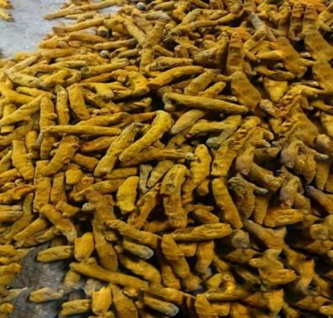
Figure 1: Turmeric Rhizome
Difference Between Phytosome and Liposome:
Liposomes and phytosomes are both advanced vesicular drug delivery systems, but they differ significantly in their structure and mechanism of formation. Liposomes are produced by mixing a water-soluble substance with phosphatidylcholine in specific proportions under controlled conditions. (4) In this process, no chemical bonds are formed between the active ingredient and phosphatidylcholine. Instead, the phosphatidylcholine molecules arrange themselves to encapsulate the water-soluble compound, creating a vesicular structure. This vesicle may contain hundreds or even thousands of phosphatidylcholine molecules surrounding the active substance. The encapsulation in liposomes serves mainly to protect the compound from degradation and to facilitate controlled release, but since there is no true molecular interaction, the extent of absorption and bioavailability remains limited. (5) On the other hand, phytosomes are formed through a distinct process in which phosphatidylcholine chemically interacts with the bioactive constituents of plant extracts. The two components combine to form a molecular complex, typically in a 1:1 or 2:1 ratio, through hydrogen bonding and polar interactions between the phosphatidylcholine head group and the hydroxyl or polar groups of phytoconstituents. (6) This molecular association enhances the solubility, stability, and compatibility of phytoconstituents with biological membranes. As a result, phytosomes exhibit much higher absorption and bioavailability compared to liposomes. Furthermore, their ability to penetrate skin layers effectively makes them superior for use in topical and cosmetic formulations. Thus, the formation of a stable molecular complex in phytosomes provides a distinct advantage over liposomal encapsulation, ensuring improved therapeutic efficacy of herbal compounds. (7)
Properties of Curcumin and Its Medical Use:
Physical Properties of Curcumin:
Medicinal use of Curcumin:
Method of Preparation Phytosomes:
When a polyphenolic compound from a plant source interacts with a phospholipid, it forms a special complex known as a phytosome®. The ratio between the phytoconstituent and the phospholipid generally varies from 1:1.5 to 1:4, depending on the formulation and preparation method used. (10) Various preparation protocols can lead to the formation of slightly different types of phytosome® complexes, each with unique structural and functional characteristics. For instance, research on silybin, a major active compound from Silybum marianum (milk thistle), has identified three distinct silybin-phospholipid complexes. Interestingly, the complex formed in an aprotic solvent exhibits different physical and chemical properties compared to the one produced in a protic solvent. Two well-known commercial formulations, Silipide® (IdB 1016) and Siliphos®, are examples of pharmaceutical-grade phytosome® complexes prepared using aprotic solvents and have undergone extensive characterization for their composition, stability, and bioavailability. Another version of the silybin complex prepared in protic solvents shows variation in molecular interaction and physicochemical properties. (11) Similarly, in the case of Ginkgo biloba extracts, different phospholipids lead to the formation of distinct phytosome® products. The complex formed with phosphatidylcholine is marketed as Ginkgoselect Phytosome®, whereas the one prepared using phosphatidylserine is known as Virtiva®. These examples demonstrate that the type of phospholipid and solvent used during formulation plays a crucial role in determining the nature, stability, and bioavailability of the final phytosome® complex, influencing its therapeutic effectiveness. (12)
Approaches of Curcumin Bio enhancement:
Improving the bioavailability of curcumin requires strategies that address its poor water solubility, low dissolution rate, and rapid metabolism. Several approaches have been explored to enhance its oral absorption, with solubility enhancement being a primary focus. One widely studied method involves the use of cyclodextrin inclusion complexes, which entrap hydrophobic compounds like curcumin within their lipophilic cavities. (13) This not only increases solubility and stability but may also mask the compound’s unpleasant taste. Among the cyclodextrin derivatives, 2-hydroxypropyl-β-cyclodextrin (HPβCD) shows the highest binding affinity for curcumin, followed by methyl-β-cyclodextrin (MβCD), β-cyclodextrin (βCD), and γ-cyclodextrin (γCD). The method of preparation significantly affects solubility: coprecipitation enhances it 31-fold, solvent evaporation 19-fold, freeze-drying 18-fold, and the kneading method with MβCD achieves a 190-fold increase. HPβCD-curcumin complexes have been particularly effective, improving solubility over 200-fold and enhancing anti- inflammatory and anticancer activities, including inhibition of angiogenesis in experimental models. (14) Solid dispersions (SDs) are another important strategy, where curcumin is dispersed in hydrophilic carriers to improve dissolution, reduce pre-systemic metabolism, and increase bioavailability. (15) Preparation methods include solvent/fusion, solvent evaporation, and melting techniques. For example, curcumin SDs with Solutol® HS15 showed a fivefold increase in bioavailability, while SDs with cellulose acetate and mannitol achieved a sevenfold improvement. A Gelucire®50/13-Aerosil SD further enhanced solubility 3600-fold, increased dissolution 7.3-fold, and maintained stability for nine months, while also improving gastrointestinal absorption and anti-inflammatory effects in rats. Additional strategies include heat treatment, which can improve curcumin solubility up to 12-fold without causing degradation, and solid self-emulsifying drug delivery systems (S-SEDDS). By converting liquid SEDDS into solid forms and inducing amorphization, S-SEDDS significantly enhance solubility, dissolution, and absorption. Techniques like spray drying, adsorption to solid carriers, melt granulation, and extrusion are used for solidification.(16) Curcumin in S-SEDDS dissolves within five minutes under both gastric and intestinal pH conditions and shows improved systemic bioavailability and cardioprotective effects in animal studies compared to conventional suspensions.(17) Overall, approaches such as cyclodextrin complexes, solid dispersions, heat treatment, and S-SEDDS effectively overcome curcumin’s solubility and absorption challenges, substantially enhancing its therapeutic potential.
Curcumin as a P-gp Substrate:
Curcumin is recognized as a substrate of P-glycoprotein (P-gp), which limits its intestinal absorption and overall bioavailability. To overcome this, P-gp inhibitors have been explored. (18) Piperine enhances curcumin bioavailability by inhibiting its metabolic breakdown and reducing glucuronide excretion, thereby modulating ABC transporters and decreasing P-gp activity in intestinal cells. Likewise, quercetin, a plant-derived flavonoid, increases curcumin uptake by inhibiting both P-gp and CYP3A4 enzymes in the intestinal mucosa, improving absorption in colon carcinoma cells. Combining curcumin with piperine and quercetin has been shown to significantly enhance its systemic availability and therapeutic efficacy, effectively addressing the pharmacokinetic barriers that limit curcumin’s clinical potential. (19)
Curcumin Extraction Techniques:
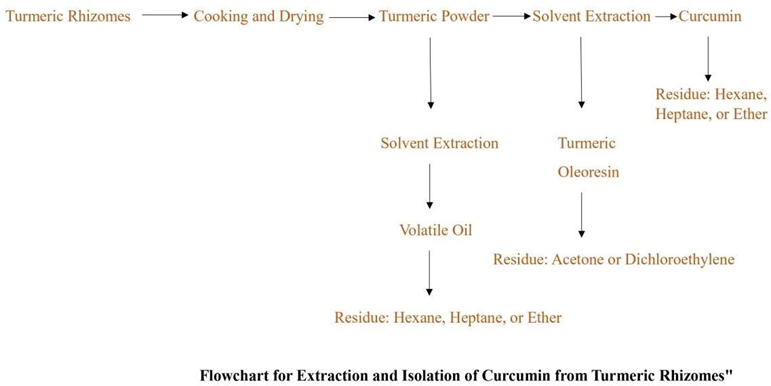
The method used for extracting curcumin from turmeric roots plays a crucial role in determining the yield, purity, and structural properties of the final product. (20) Traditional extraction methods, such as Soxhlet extraction, hydro distillation, and maceration, have been widely employed but come with several limitations. These approaches often require high temperatures, involve large volumes of organic solvents, demand long processing times, and generally produce lower yields. Such conditions may also affect the chemical integrity of curcumin, potentially reducing its biological activity. (21) To overcome these challenges, modern extraction techniques have been developed, offering significant improvements in efficiency, yield, and overall quality. Methods such as microwave-assisted extraction (MAE), ultrasound-assisted extraction (UAE), and supercritical fluid extraction (SFE) have gained prominence for their ability to accelerate the extraction process while using lower amounts of solvents and energy. (22) Among these, microwave- assisted extraction has been reported to provide the highest extraction efficiency, followed closely by ultrasound-assisted extraction and supercritical fluid extraction. These techniques not only reduce extraction time but also enhance the antioxidant properties and overall bioactivity of curcumin. In addition, ionic liquid-based extraction has emerged as an environmentally friendly alternative, offering rapid extraction with minimal solvent waste. The use of such green solvents aligns with sustainable and eco-conscious practices while maintaining high yield and bioactivity. (23) Overall, the choice of extraction method has a direct impact on the structural quality, potency, and therapeutic potential of curcumin, with modern and green extraction techniques providing distinct advantages over conventional methods in terms of efficiency, yield, and preservation of bioactive properties.
Curcumin's Anti-Inflammatory Effects:
Curcumin is known for its extensive anti-inflammatory properties, which are complemented by its strong antioxidant activity. Clinical studies have demonstrated its effectiveness in managing a variety of inflammatory conditions, including inflammatory bowel disease, arthritis, pancreatitis, post-surgical inflammation, and other disorders involving excessive inflammatory responses. (24) Experimental research has further elucidated the mechanisms through which curcumin exerts these effects. At the molecular level, it suppresses NF-κB, a central transcription factor that regulates the expression of genes involved in both acute and chronic inflammation. (25) By inhibiting NF-κB, curcumin indirectly reduces the activity of several pro-inflammatory enzymes, such as cyclooxygenase-2 (COX-2), lipoxygenases, and inducible nitric oxide synthase (iNOS), which play key roles in the development and progression of inflammation. In addition to NF-κB modulation, curcumin affects other transcription factors, including STAT, PPAR-γ, and β-catenin, thereby influencing the expression of multiple inflammatory genes. (26) It also interferes with signaling pathways like AP-1 and JNK, which are involved in stress responses and inflammatory signaling. Through this multi-level regulation of inflammatory mediators and pathways, curcumin achieves a comprehensive anti-inflammatory effect, highlighting its potential as a therapeutic agent for a wide range of inflammatory disorders and related complications. (27) Its ability to target multiple pathways simultaneously underscores its significance in both experimental and clinical applications.
Curcumin's Effects on Cognitive Function:
Inflammation is a key factor in the development and progression of neurodegenerative diseases, particularly Alzheimer’s disease (AD). In AD, inflammatory processes involve the generation of reactive oxygen species, nitric oxide, lipid peroxidation products, and the activation of genes such as NF-κB and JNK, all of which contribute to neuronal damage.(28) Studies have shown that the curcumin complex can inhibit these inflammatory mediators at concentrations of 1–2 micromolar, levels that are potentially achievable in humans.(29) However, clinical trials in AD patients have not demonstrated significant benefits, primarily due to curcumin’s poor bioavailability. For example, in one study, only 2 out of 12 participants receiving the highest dose had measurable curcumin in their bloodstream. Despite these limitations, curcumin shows promise in modulating brain inflammation and promoting the clearance of beta-amyloid, a hallmark of AD pathology. In affected brains, microglia and migratory immune cells fail to effectively remove amyloid deposits, but curcumin may enhance their phagocytic activity, facilitating amyloid clearance. Epidemiological studies further suggest that regular curcumin consumption is associated with improved cognitive performance, indicating its potential as a neuroprotective agent. If strategies to overcome bioavailability challenges are implemented, curcumin could become a valuable supplement for mitigating inflammation and supporting cognitive health in neurodegenerative conditions. (30)
Challenges Associated with Curcumin Delivery:
Curcumin, a natural nutraceutical known for its strong anti-cancer properties, has gained significant attention for its therapeutic potential. However, its clinical effectiveness is limited by poor bioavailability, low solubility, and limited stability. Although curcumin is non-toxic and exhibits a broad range of pharmacological benefits, its short half-life and rapid metabolic degradation restrict its therapeutic use, as achieving sufficient plasma concentrations often requires high doses. (31) These limitations have prompted the development of innovative strategies to optimize its pharmacokinetic profile. Recent advancements, such as the formulation of guar gum-based tablets and the application of novel encapsulation technologies, have shown promise in improving the solubility, stability, and sustained release of curcumin. (32) Techniques including nanoparticle encapsulation, liposomal delivery, and polymer-based systems help protect curcumin from environmental degradation and enhance its absorption in the gastrointestinal tract. By improving systemic availability, these advanced formulations aim to maximize curcumin’s therapeutic potential in cancer therapy. Overall, while curcumin remains a safe and powerful natural compound with proven anticancer efficacy, overcoming its biopharmaceutical challenges through innovative formulation approaches is essential to ensure its successful translation from research to effective clinical cancer treatment. (33)
Curcumin Bioavailability Enhancement Via Solubility Enhancement:
Enhancing the solubility of curcumin plays a vital role in improving its bioavailability and therapeutic effectiveness, as its poor water solubility and instability in biological environments limit its clinical use. To overcome these challenges, several advanced formulation strategies have been developed, including particle size reduction, micellization, encapsulation and the use of surfactants and lipid-based carriers. (34) These approaches aim to increase the dissolution rate, protect curcumin from degradation and ensure better absorption through the gastrointestinal tract. Among the developed formulations, Novasol® is a notable innovation that utilizes micellization technology to incorporate curcumin into micelles, thereby increasing its absorption and achieving significantly higher bioavailability compared to unformulated curcumin powder. Similarly, other formulations such as Cavacurmin® and CurQfen® have demonstrated enhanced pharmacokinetic profiles, resulting in improved stability, better metabolic performance, and higher tissue concentrations of curcumin. (35) These innovative systems enable curcumin to reach effective therapeutic levels in the bloodstream and target tissues while maintaining its stability against hydrolysis and metabolic breakdown. Despite these advancements, not all clinical trials have reported clear improvements in measurable clinical outcomes. Some studies suggest that longer treatment durations or more advanced disease models may be required to fully realize the benefits of these enhanced formulations. Additionally, variations in formulation design, dosage, and patient response can influence the degree of efficacy observed in different studies. (36)
Spectroscopic Techniques:
Spectroscopic techniques are among the most reliable analytical tools used to confirm the formation, structure, and stability of phytosomes. These techniques help identify the type of interaction between phytoconstituents and phospholipids, particularly phosphatidylcholine, which plays a key role in forming stable molecular complexes. The major types of spectroscopic evaluations include ¹H-NMR (Proton Nuclear Magnetic Resonance), ¹³C-NMR (Carbon Nuclear Magnetic Resonance), and FTIR (Fourier Transform Infrared Spectroscopy), each providing distinct and complementary information about the molecular architecture of the phytosome complex.
¹H-NMR: In ¹H-NMR analysis, significant changes in proton chemical shifts are observed when the phytoconstituent interacts with phosphatidylcholine. These shifts confirm the formation of hydrogen bonding or van der Waals interactions between the polar head groups of phosphatidylcholine and the functional groups of the phytoconstituent. When conducted in nonpolar solvents, the proton signals of the phytoconstituent tend to broaden, which indicates a successful encapsulation and strong interaction within the phospholipid environment. (37) ¹³C-NMR: The ¹³C-NMR spectra further validate complex formation by revealing characteristic changes in the carbon resonance signals. Typically, the carbon peaks corresponding to the phytoconstituent become less intense or completely disappear due to strong molecular interactions, while the glycerol and choline carbons of phosphatidylcholine display broadening and shifting of peaks. (38) Interestingly, the carbon signals of fatty acid chains remain sharp, confirming that these regions maintain their structural integrity during complex formation.
FTIR: FTIR spectroscopy is widely employed to confirm and monitor the formation and stability of phytosomes by analyzing the vibrational frequencies of functional groups. Comparing the spectra of pure phytoconstituents, phospholipids, physical mixtures, and the resulting phytosome complex reveals distinct shifts in characteristic peaks, especially those related to –OH, –C=O, and –P=O groups. (39) These shifts confirm strong intermolecular bonding and the successful formation of a stable complex. Furthermore, FTIR is used to evaluate long-term stability by comparing the spectra of solid-state phytosomes with micro- dispersed forms, ensuring that the structural integrity and bonding characteristics remain consistent over time.
Gold Nanoparticles:
Gold nanoparticles (AuNPs) have emerged as highly valuable materials in biomedical research and therapeutic applications because of their exceptional biocompatibility, chemical stability, large surface area, and minimal toxicity.(40) Their unique physicochemical properties make them particularly suitable for targeted drug delivery systems, especially in cancer therapy, where they enhance drug solubility, enable precise targeting of tumor cells, and significantly reduce damage to healthy tissues. Recent advancements in nanotechnology have focused on improving the efficiency of AuNP-based formulations by conjugating them with bioactive molecules like curcumin—a natural compound known for its strong anti-cancer and anti- inflammatory effects. Functional modification of these curcumin–gold nanoparticle conjugates with hyaluronic acid and folic acid has been shown to increase cellular uptake through receptor- mediated endocytosis, thereby improving therapeutic efficiency and site-specific drug delivery to cancerous tissues. (41) In parallel, halloysite nanotubes (HNTs) have attracted attention as efficient nanocarriers due to their high drug-loading capacity and controlled-release behavior. When coated with chitosan, these nanotubes provide enhanced colloidal stability and introduce pH- sensitive release mechanisms, allowing curcumin to be selectively released in the acidic microenvironment of tumors. (42) This targeted release reduces systemic toxicity while maximizing therapeutic outcomes. Collectively, these innovations—combining the advantages of AuNPs, HNTs, and biopolymer coatings—represent a significant step toward developing next-generation nanocarrier systems for cancer therapy. They offer improved drug bioavailability, enhanced tumor selectivity, and minimized side effects compared to traditional chemotherapy, paving the way for safer and more effective cancer treatment strategies.
Nanosuspensions, Nanogels, And Nanocrystals Are Advanced Nanocarrier Systems:
Nanosuspensions, nanogels, and nanocrystals are advanced nanocarrier systems that have significantly improved the delivery of poorly water-soluble and unstable drugs, offering enhanced bioavailability, solubility, and targeted release. Each type has distinct characteristics and applications in modern drug delivery.
Nanosuspensions are colloidal dispersions composed of submicron drug particles stabilized by surfactants or polymers. By reducing particle size, they increase the surface area, enhancing drug dissolution and absorption. These systems are particularly effective for oral, parenteral, ocular, and pulmonary delivery, providing rapid therapeutic effects and consistent plasma levels. Nanosuspensions can be prepared through techniques like high-pressure homogenization, wet milling, or precipitation methods, which are scalable and cost-effective. They are useful in treating chronic diseases such as diabetic cardiomyopathy, offering fast solubility, prolonged drug action, and improved patient compliance by reducing dosing frequency and formulation instability. (43)
Nanogels are hydrophilic polymer-based nanoparticles with a cross-linked network capable of retaining large amounts of water or biological fluids. They provide high drug-loading capacity, stability and controlled-release properties, suitable for both hydrophilic and hydrophobic drugs. Curcumin-loaded nanogels are notable for their wound-healing and anti-inflammatory potential, as they enhance drug stability, extend residence time at the target site, and promote tissue regeneration. Nanogels can also be designed for stimuli-responsive release, triggered by changes in pH, temperature, or enzymatic activity, enabling site-specific and controlled drug delivery. (44)
Nanocrystals consist entirely of pure drug particles stabilized by surfactants, without any carrier matrix. They are produced via top-down methods like milling and homogenization, or bottom-up approaches such as precipitation and crystallization. The reduced particle size improves aqueous solubility, dissolution rate, and bioavailability, while also enhancing cellular uptake and tissue penetration. Nanocrystals are increasingly applied in diagnostic imaging, as they can incorporate contrast agents or fluorescent markers for targeted imaging. (45-49)
CONCLUSION:
Curcumin exhibits significant therapeutic potential, including anti-inflammatory, anticancer, and neuroprotective effects, yet its clinical application is limited by poor solubility, stability, and bioavailability. Advanced strategies such as phytosome and liposome formulations, spectroscopic characterization, bio enhancement approaches, and nanoparticle-based delivery systems—including gold nanoparticles, nanosuspensions, nanogels, and nanocrystals—have demonstrated promising improvements in targeted delivery, cellular uptake, and controlled release. Collectively, these innovations provide effective platforms to overcome curcumin’s pharmacokinetic limitations, enhancing its therapeutic efficacy and opening for clinical translation in various disease condition.
REFERENCES




Ashwini Nehe, Ajay Bhagwat, Akshay Thorat*, Akanksha Chaudhari, Enhancing Curcumin Bioavailability: Modern Pharmaceutical Approaches, Int. J. Med. Pharm. Sci., 2025, 1 (11), 38-47. https://doi.org/10.5281/zenodo.17513694
 10.5281/zenodo.17513694
