1RJS College of Pharmacy Kokamthan Kopargaon.
2Department of Pharmacy- KBHSS Trust’s Institute of Pharmacy, Malegaon, Nashik, Maharashtra, India-423203
The cosmetic and cosmeceuticals industries are rapidly evolving with introduction of emerging technologies that are reshaping product development, formulation, and consumer experience. The article explores the key trends reshaping the sector, including personalized skincare enabled by AI and genomics, nanotechnology for enhanced ingredients delivery, and rise of plant-based and biotech-derived formulations. Additionally, probiotics and microbiome-focused skincare gaining momentum for promoting overall skin health while CBD-infused product offer natural anti-inflammatory benefits. Sustainability has become a priority, with brand and adopting eco-friendly packaging and clean beauty formulations. Wearable skincare technologies are also emerging, providing real-time insights into skin health. Together, these trends highlight the growing demand for personalized, effective, and environmentally responsible cosmeceutical product paving the way for a future where innovation and sustainability converge.
In today's world, looking and feeling good is important to everyone. The growing demand for cosmetics is mainly due to the energetic young people who want to invest in taking care of themselves while maintaining good health.[7] Technology has led to the development of new cosmetics structures, which incorporate modern technologies.[12] Cosmeceuticals represent a new category of products positioned between cosmetics and pharmaceuticals, aimed at increasing the health and beauty of the skin.[14] Cosmetics are cosmetic products that contain biologically active substances with therapeutic benefits related to the surface. These are used as decorations because they are said to improve the appearance. [12] The word adornment is derived from the Greek word "kosmtikos" which means power, arrangement and knowledge of adornment. The origin of cosmetic is a common story throughout human history. [13] According to the Drugs and Cosmetics Act, 1940, cosmetics are substances that are rubbed, poured, sprayed, inserted or applied to the human body for the purpose of cleansing, beautifying or enhancing beauty to change appearance. [13] The cosmeceutical industry, positioned at the intersection of cosmetic and pharmaceuticals, is experiencing a technological revolution. With consumers increasingly seeking personalized, effective, and sustainable skincare solutions, the industry has responded by integrating cutting-edge technologies into product development. Consumer attraction for these products is expected to grow strongly in the future. Therefore, the global demand for herbal cosmetics leads to a large trade from the local to the international level. [7] Advances developments such as artificial intelligence (AI) and genomics research have made personalised skin care a reality, allowing for targeted treatments based on individual skin types and genetic profiles. [5,11] Meanwhile, nanotechnology has significantly improved the delivery and absorption of active ingredients, ensuring deeper skin penetration and enhanced efficacy. [3,4,12]. In response to growing consumer demand for natural and eco-friendly products, cosmeceuticals have embraced plant-based and biotech-derived formulations, focusing on sustainability without compromising on effectiveness. [2,7,15] Furthermore, probiotics and microbiome-focused products are shifting the focus toward skin health, with research highlighting the importance of balancing the skin's natural flora to combat issues like acne, inflammation, and sensitivity. [1,16] Cannabidiol (CBD) is also gaining popularity for its anti- inflammatory and calming properties, making it an emerging ingredient in cosmeceutical products for treating conditions like eczema and psoriasis. [18,19,20] Additionally, wearable skincare technology is becoming a tool for consumers to track and monitor skin health in real-time, providing actionable data to enhance product efficacy and personalization. These advancements are driving the evolution of the cosmeceutical industry, leading to more innovative, effective, and environmentally-conscious skincare solutions. This article explores these emerging technologies and their impact on the future of cosmeceuticals.
TECHNOLOGIES IN COSMETIC AND COSMECEUTICALS:
Following are the technologies in cosmeceuticals are highly beneficial, offering significant advantages for both consumers and the industry:
Personalized skincare, driven by advancements in artificial intelligence (AI) and genomic research, is rapidly transforming the cosmeceutical and pharmaceutical industries. Early Computer vision and artificial intelligence (AI) have achieved excellent results in image recognition, although humans still perform better on some large dataset problems. This has inspired a lot of research on artificial intelligence solutions for automatic melanoma detection using images of skin lesions, especially using deep convolutional neural networks (CNN) for the prediction problem. melanoma. [21] A deep learning method for the analysis and classification of specific skin diseases, using CNN and decision trees. Our goal is to develop an automated system that can support dermatologists in the accurate diagnosis of skin diseases using visual information from skin images. [24] Also AI and genomics have revolutionized personalised skincare by data and genetics information to create skincare regimens. AI system analyse skin types, environmental factors and personal genetics to recommended products that meet specific individual’s needs. Automating the search process can increase efficiency while providing consistent and objective assessments. [23] This data is not only a valuable insight for researchers who want to explore new research areas related to cosmetic medicine, but also a useful guide for professionals who want to implement AI technologies to addressing global challenges in the field of beauty/ cosmetic services. [5]
Software’s /datasets used in personalized skincare through AI and genomics:
Table 1: Tools and their functions used in personalized skin care.
|
Sr.No. |
Tools |
Functions |
|
|
ViDIR image set (Austria). [25] |
Powerful tool used to capture detailed images of the skin using visible light for analysed skin conditions, Customized treatments, monitor progress and prevent skin damage. |
|
|
Legacy Diapositives. [25] |
Traditional photographic slides, function as transparent image projected for visual presentations. |
|
|
MoleMax Series. [25] |
Digital imaging system used in personalized skin care for early detection of skin conditions having high resolutions and mapping mainly used in monitoring skin health with precision. |
|
|
L’Oreal perso |
Device uses AI to create customized skin care products based on real time skin analysis and environmental factors. |
|
|
Neutrogena Skin360 App |
App uses AI to analyse skin conditions through smartphone camera, tracks skin health metrics. |
|
|
Skin DNA [17] |
Analyses key genetic markers related to skin health such as collagen breakdown, UV sensitivity and inflammations. |
|
|
HAM 10000[25] |
Dataset in personalized skincare for AI algorithm to accurate diagnosis of skin. |
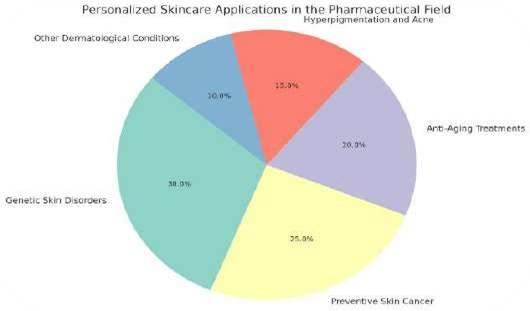
Figure 1: Distribution of personalized skincare application in pharmaceutical field.
In fig.1 the pie chart representing the distribution of personalized skincare applications in the pharmaceutical field. It highlights key areas such as:
The integration of AI and genomics in personalized skincare is transforming both the cosmetic and pharmaceutical fields. AI provides real-time, data-driven insights, while genomics allows for the creation of highly customized skincare routines and treatments. In pharmaceuticals, these technologies help in treating genetic skin disorders, preventing skin cancer, and improving anti-aging treatments. While these advancements offer significant benefits, challenges such as data privacy, high costs, and accessibility remain. The future of skincare lies in the continued fusion of technology and biology, leading to more personalized, effective, and preventive skincare solutions.
Nanotechnology has emerged as a revolutionary force in various fields, and its use in cosmetics has completely changed the landscape of skin and skin care. [3] Nanotechnology stands for the creation and use of nanoscale materials that exhibit physical properties different from their extremes. These new materials present a larger surface area due to a specific modification of the internal structure, thus interacting differently with biological systems. [4] In nanotechnology, structures and systems are created at the atomic and molecular scale by manipulating materials. The creation, evaluation and use of nanoscale compounds, structures and devices by manipulating their size and structure, nanotechnology is the technological advancement of the 21st century. [6] Nano-delivery systems are a new area of science that involves the design, identification, production and application of materials, devices and systems at the nanoscale level (1-100 nm). Known as one of the revolutionary technologies, nanotechnology has been researched in cosmetics. The introduction of nanotechnology led to advances in cosmetic science, which increased demand from consumers worldwide. [8] Cosmetic products that use components in nano particles (nanosized components) are known as cosmetic nano products/ Nano cosmeceuticals. [9] Many cosmetic nano-devices are used in nail, hair, lip and skin care products. The most important subgroups of cosmeceutical nanomaterials are shown in the table.2 [9]
Table 2: Main classes of Nano cosmeceuticals/ Nano cosmetic products. [2,9]
|
Sr. No. |
Nano cosmeceuticals |
|
|
1. |
Skincare Products |
Sunscreens, Moisturizers, Anti-aging Creams, Skin Cleansers, Antiacne Products. |
|
2. |
Haircare Products |
Hair serum, Shampoo, Conditioners, Hair colours, Hair Styling Gels, Growth Stimulators. |
|
3. |
Lipcare Products |
Lip Balms, Lip Gloss, Lipsticks, Volumizers. |
|
4. |
Nailcare Products |
Nail Polish, Nail Polish Remover. |
|
5. |
Fragrance Products |
Deodorants, Perfumes, After Shaves. |
For the delivery of Nano cosmetics, carrier technology is used, which provides a smart way to deliver active ingredients. New types of nanocarriers for cosmetic delivery are shown in Fig.2.
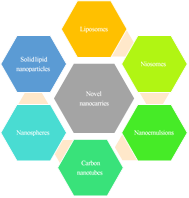
Figure 2: Visual representation of various nanocarriers for cosmetics.
In fig.3. the pie chart representing the distribution of nanotechnology applications in the pharmaceutical field. It highlights key areas such as:
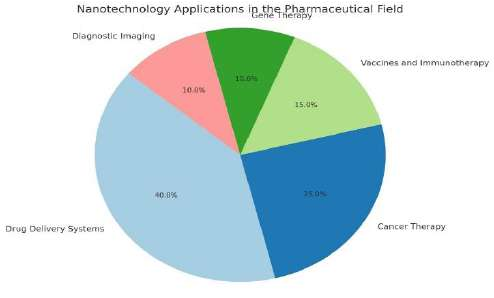
Figure 3: Distribution of nanotechnology applications in the pharmaceutical field.
Nanotechnology in cosmeceuticals and pharmaceuticals plays a pivotal role in improving product effectiveness, targeted delivery, and controlled release of active ingredients. In the cosmeceutical industry, it enhances skin penetration, increases bioavailability, and provides better stability of products. In pharmaceuticals, it has broad applications, from drug delivery to diagnostic imaging and gene therapy. The use of specialized software like Nano Design Studio and COMSOL Multiphysics further aids in optimizing these nano-based systems, ensuring their efficacy and safety in personalized treatments.
3. Plant Based and Biotech Ingredients:
Plant-based and biotech ingredients have become key components in the cosmeceutical industry, driven by the demand for natural, sustainable, and highly effective products. These ingredients are derived from plant sources or through biotechnological processes like fermentation, cell culture, and bioengineering. They offer a more sustainable approach to skincare and beauty, often boasting powerful antioxidant, anti-inflammatory, and anti-aging properties. Cosmeceuticals, cosmetics that contains natural ingredients and organic cosmetic, continues to be in trend. [7] Currently, most cosmetic manufacturers in developed countries are still looking for new products and materials of tropical origin, because their raw materials have many characteristics due to the different climatic and topographical conditions. Unfortunately, the cosmetics industry is still in its infancy in plants in some tropical Asian countries such as Sri Lanka, Vietnam, Indonesia and Thailand. For the successful development of the herbal cosmetics industry in these countries, there are many challenges that need to be overcome. [7] Herbal cosmetics refers to herbal products of various components and substances that moisturize the skin, prevent wrinkles, strengthen and remove dead skin, hair, and milk and other colours. These types of construction are in demand and technological development in these centuries. One of the best features of herbal products are plants and shrubs. [2] Following are the key plant based and biotech ingredients in cosmeceuticals short examples shown in table.3. [2,7,15]
Table 3: Plant based and Biotech ingredients in cosmeceuticals.
|
Types |
Category |
Ingredients |
Activities |
|
1. Plant Based Ingredients. |
Polyphenols (catechins) |
Green tree extract [13,22] |
Antioxidant, Antiaging and Anti- inflammatory Activity. |
|
Phenolic |
Olive [15,22] |
Antioxidant, anticancer, |
|
|
|
compounds |
|
antiallergic, antiatherogenic, antimutagenic effects |
|
|
Vitamin A, C, E Derivatives |
Lemon oil, Citrus fruit, Essential oils |
Antioxidant Activity |
|
Flavonoids and Phenolic compounds |
Peach fruit [15] |
Anticancer, antioxidant. |
|
|
Chlorophylls and carotenoids |
Coffee leaves [15] |
Antioxidant, antimicrobial, Antiaging. |
|
|
Polysaccharides |
Aleovera [13,22] |
Moisturizing, Soothing, Anti- inflammatory. |
|
|
Phenolic compounds |
Turmeric [15] |
Anti-inflammatory, Antioxidant, Skin brightening activities. |
|
|
2. Biotech Based Ingredients. |
Polysaccharides |
Hyaluronic acid |
Hydration, Plumping, Skin barrier Enhancement. |
|
Vitamin B3 |
Niacinamides [2] |
Brightening, Anti-inflammatory, Improving skin barrier. |
|
|
VitaminA Derivatives |
Retinol [2,13,22] |
Antiaging, Improve skin texture and tone. |
|
|
Proteins (Amino acids) |
Peptides [15] |
Antiaging, Collagen synthesis Stimulations. |
In fig.4. the pie chart represents the applications of Plant-based and Biotech Ingredients in the pharmaceutical field. It’s highlighted key areas such as:
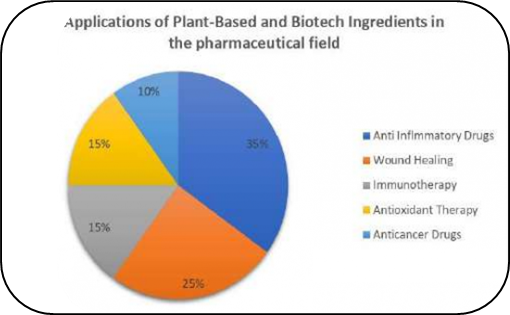
Figure 4: Applications of Plant-Based and Biotech based ingredients in the pharmaceutical field.
Today, many cosmetics and health products contain chemicals, including titanium dioxide, which are more or less toxic and harmful to human health. There is an urgent need to find effective and safe ingredients for skin care products that can solve skin problems. Recently, researchers have suggested that probiotics can be used as an effective ingredient in cosmetics to solve the above skin problems for the better. In addition, experimental studies have shown that probiotics have no toxic effects on the host and can be used more effectively in the development of skin treatments. [16] Probiotics have been shown to influence the intestinal microbiome and are effective in treating certain skin conditions. [1] Probiotics are not limited to topical applications in skin care products. It also contains oral supplements that show good results in improving the internal conditions of the skin. Meanwhile, research into the potential benefits of oral probiotics has prompted the need to evaluate their effectiveness as a topical treatment. There is little research on the effectiveness of oral medications or topicals in skin care products. [1] Probiotic skincare can be used for skin hydration and to support the natural skin microbiome. It is also being explored for sun protection and as a way to manage sensitive skin issues. Other emerging areas include treatments for psoriasis and diabetic wounds, where regulating the microbiome can significantly impact healing and inflammation management.
The applications with specific probiotics and microbiome as follow: [16]
Probiotics: Lactobacillus plantarum HY7714, Lactobacillus acidophilus IDCC 3302, Lactobacillus sakei Lipopeichoic Acid, Bifidobacterium breve B-3.
Function: These probiotics help inhibit the degradation of collagen and reduce the signs of photoaging caused by UV exposure, thus promoting a youthful appearance.
Probiotics: Bifidobacterium adolescentis, Lactobacillus helveticus NS8, Rhodobacter sphaeroides.
Function: These probiotics inhibit melanin production by targeting tyrosinase activity, lightening the skin and providing a more even tone.
Probiotics: Lactobacillus plantarum HY7714, Lactobacillus acidophilus IDCC 3302, Lactobacillus KCCM12625P, Nitrosomonas eutropha.
Function: These strains reduce oxidative stress and prevent collagen degradation, helping to reduce wrinkles and fine lines by maintaining skin structure.
Probiotics: Lactobacillus brevis SBC8803, Lactobacillus plantarum HY7714, Lactobacillus acidophilus IDCC 3302, Lactobacillus helveticus, Lactobacillus rhamnosus.
Function: These probiotics improve the skin barrier, enhance hydration, and reduce transepidermal water loss (TEWL), keeping the skin moisturized.


Nandkumar Chaudhari*, Anushka Pholane, Jyotiram Nannavare, Rutika Chandgude, Emerging Technologies in Cosmetics and Cosmeceuticals, Int. J. Med. Pharm. Sci., 2025, 1 (10), 26-35. https://doi.org/10.5281/zenodo.17341473
 10.5281/zenodo.17341473
