
1Department of Biotechnology, Vellore Institute of Technology, Vellore - 632 014, Tamil Nadu
2Biozone Research Technology Pvt Ltd, Chennai-600100, Tamil Nadu
Due to the advent of multidrug-resistant strains that reduce the efficacy of traditional medications, tuberculosis (TB) continues to be a serious worldwide health concern. As an additional tactic to improve immune responses and limit Mycobacterium tuberculosis intracellular survival, host-directed treatment has drawn increasing interest. In this work, the potential of plant-derived phytochemicals as modulators of Cathepsin D, a lysosomal aspartic protease involved in antigen processing and immunological modulation during tuberculosis infection, was investigated using an integrated in silico approach. Initially, approximately 90 phytochemicals originating from 14 medicinal plants were evaluated based on drug-likeness and ethnobotanical significance. Using AutoDock Vina, fourteen lead compounds were selected for molecular docking against Cathepsin D (PDB ID: 6BQH), followed by interaction profiling using Discovery Studio.Among the screened compounds, Friedelin, Daucosterol, Fucosterol, and Clionasterol exhibited the strongest interactions within the active region, with binding affinities ranging from –7.23 to –10.41 kcal/mol. A detailed interaction analysis revealed that hydrophobic interactions, van der Waals forces, and selective hydrogen bonding with key catalytic residues contributed to ligand stability. Predicted inhibition constants for the top-scoring compounds were in the nanomolar range, indicating strong binding potential and highlighting the promise of phytochemical scaffolds as host-directed therapeutic agents against TB for further optimization and experimental validation.Nevertheless, further ADMET analysis demonstrated that several high-affinity sterol and triterpenoid compounds possess unfavorable pharmacokinetic properties, including high lipophilicity and poor gastrointestinal absorption. In contrast, phytochemicals such as Lagunamine, a pyridine derivative, along with 19-Epischolaricine, Akuammidine, and Scholaricine, exhibited balanced ADMET profiles with acceptable bioavailability while maintaining moderate binding affinities. Overall, this study identifies promising phytochemical scaffolds for further optimization and experimental validation as host-directed therapeutic agents against TB and emphasizes the importance of integrating molecular docking with pharmacokinetic assessment.
Tuberculosis (TB) is a bacterial infection, primarily targeting the lungs and is transmitted through airborne particles released when an infected person coughs, sneezes, or spits. While TB is both curable and preventable, it continues to be a significant global health issue. The World Health Organization (2025) estimates that roughly 25% of the global population carries latent TB bacteria, and among them, approximately 5–10% are at risk of progressing to active disease during their lifetime. In the year 2021 alone, it was responsible for approximately 1.6 million deaths worldwide, making it the second leading cause of death from a single infectious agent after COVID-19 (Leandry et al., 2025). Another growing concern is multidrug-resistant tuberculosis (MDR-TB), which emerges when Mycobacterium tuberculosis becomes resistant to the two most effective first-line anti-TB drugs, isoniazid and rifampicin. This resistance often develops due to incomplete or improper treatment, poor-quality medications, or incorrect dosing, allowing the bacteria to survive and adapt, making treatment more difficult and less effective. Historically, tuberculosis—then known as "Consumption"—was managed using traditional medicinal systems. Ayurvedic remedies like turmeric, Tulsi, and Ashwagandha (Baheti et al., 2020)(Amingad & Hakkimane, 2025), Traditional Chinese Medicine herbs such as Huang Qin and Jiegeng, and Unani treatments including marshmallow root and fig were commonly used to alleviate TB symptoms(Amingad & Hakkimane, 2025). In recent decades, advances in phytochemical research and bioinformatics have enabled scientists to identify, isolate, and validate active plant-derived compounds with potential anti-tubercular or immunomodulatory properties. Modern tools such as molecular docking and in silico screening have further accelerated the identification of promising leads by predicting interactions between natural compounds and TB-relevant targets. Computational medicinal chemistry has become an essential component of modern drug discovery, as it enables the identification and optimization of drug-like compounds through predictive and structure-based approaches. In silico methods such as virtual screening, chemical similarity analysis, and molecular docking allow rapid evaluation of large compound libraries and prediction of ligand–target interactions, thereby reducing time, cost, and experimental burden. Both ligand-based and receptor-based strategies facilitate the prioritization of promising candidates by eliminating unfavorable chemical entities and selecting molecules with optimal binding characteristics. These approaches have proven particularly valuable in exploring natural compounds for therapeutic potential, providing a rational framework for lead identification prior to experimental validation.(Kim et al., 2025) In this study, we employed molecular docking–based in silico screening to investigate the interaction of selected phytochemicals with Cathepsin D, a lysosomal protease involved in host immune defense and intracellular bacterial regulation. The binding affinity, interaction profile, and inhibitory potential of the selected compounds were evaluated to identify candidates that may serve as host-directed therapeutic agents or complementary interventions in tuberculosis management, thereby bridging traditional medicinal knowledge with modern computational drug discovery.
MATERIALS AND METHODS
2.1 Selection of target protein
Cathepsins are lysosomal proteases involved in the degradation of proteins within cells and play essential roles in immune responses and cellular homeostasis. They are classified based on their catalytic mechanisms into three main types: serine, aspartic, and cysteine proteases. Among them, Cathepsin B and Cathepsin L belong to the cysteine protease family and are widely expressed in mammalian cells. Cathepsin L possesses stronger endoproteolytic activity compared to Cathepsin B and shares several enzymatic properties. These enzymes are crucial in processes such as antigen processing, apoptosis, and intracellular defense, making them relevant targets in infectious diseases like tuberculosis. (Mundel & Reiser, 2010) Using the KEGG (Kyoto Encyclopedia of Genes and Genomes) database, a comprehensive analysis of the Mycobacterium tuberculosis (Mtb) infection pathway was conducted to identify potential therapeutic targets. The KEGG pathway map for tuberculosis (KEGG Pathway ID: hsa05152) highlights the complex interactions between Mtb and host immune components, particularly its ability to interfere with phagolysosomal activity in macrophages. Among the affected host factors are lysosomal proteases, notably Cathepsin B and Cathepsin L, which are significantly downregulated during infection. This suppression hampers antigen processing and impedes the intracellular destruction of the pathogen(Zhang et al., n.d.). KEGG pathway analysis further revealed that cathepsins play critical roles in lysosomal degradation, immune signaling, and antigen presentation via the MHC class II pathway. Since Mtb actively inhibits cathepsin function to ensure its survival within host cells, restoring or enhancing cathepsin activity represents a promising host-directed therapeutic strategy. Therefore, Cathepsin was selected as a key protein target for this study to screen phytochemicals with potential anti-TB activity, aiming to support both bacterial clearance and immune system reactivation.
Fig 1: Three-dimensional structure of Cathepsin D (PDB ID: 6BQH).
2.2 Source of compounds
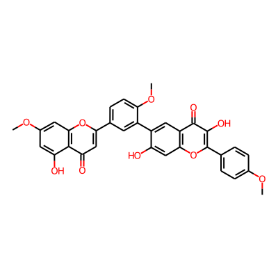
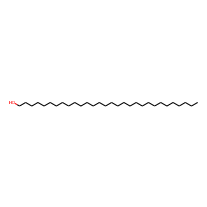
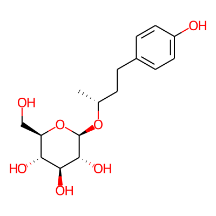
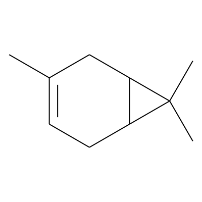
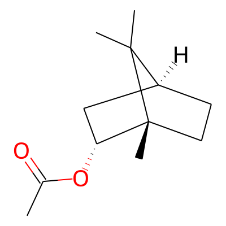
Phytochemicals with reported anti-tubercular activity were initially selected based on ethnobotanical literature and phytochemical databases, including PubChem and IMPPAT (Kanneganti et al., 2023). From these sources, a total of 14 medicinal plants were identified, and compounds were extracted from various plant parts such as leaves, roots, bark, stems, seeds, and exudates. As presented in the table 1, these plants collectively yielded over 90 distinct phytochemical compounds, spanning a wide range of subclasses including flavonoids, fatty acyls, prenol lipids, alkaloids, phenols, steroids, coumarins, quinolines, and organooxygen compounds. The occurrence of multiple subclasses within single plant species reflects the rich chemical diversity of natural products. The molecular structures of the selected compounds were retrieved and processed using Open Babel, and further visualized using Discovery Studio (Muthukrishnan et al., 2024) (Neema et al., 2015).These compounds were then evaluated for drug-likeness and pharmacokinetic properties using SwissADME, with a focus on key parameters such as molecular weight, lipophilicity, and the number of rotatable bonds. Compounds with fewer rotatable bonds were prioritized, as they tend to exhibit greater conformational stability and are more likely to form strong and specific interactions within the active site of the target protein (De Paris et al., 2018) (Torres et al., 2019)(De Paris et al., 2013). Based on pathway analysis of Mycobacterium tuberculosis infection, Cathepsin was selected as the target protein due to its role in antigen processing and immune response modulation. Compounds with favorable profiles were shortlisted for molecular docking studies against Cathepsin to evaluate their potential as effective anti-TB agents
Table No. 1. Phytochemicals from Selected Medicinal Plants with Reported Anti-Tubercular Activity and Drug-Likeness Analysis
|
Name of the plant |
Part of the plant |
Name of the compound |
Structure of compound |
Drug likeness |
ClassyFire Class |
|
Abelmoschus manihot |
root |
- |
- |
- |
|
|
Abies balsamea |
Plant exudate |
- |
- |
- |
|
|
Abies grandis |
Bark |
- |
- |
- |
|
|
Abies spectabilis |
leaf |
Abiesin |
|
failed |
Flavonoids
|
|
|
|
1-Triacontanol |
|
passed |
Fatty acyls |
|
|
|
Rhododendrin |
|
passed |
Fatty acyls |
|
|
|
3-Carene |
|
passed |
Prenol lipids |
|
|
|
(-)-Bornyl acetate |
|
Srishti M., Vakhini L., Nambi Arasu., Florida Tilton*, Phytochemicals Targeting Cathepsin D: Molecular Docking Approaches in Host-Directed Tuberculosis Therapy, Int. J. Med. Pharm. Sci., 2026, 2 (3), 219-243. https://doi.org/10.5281/zenodo.19060182 |

 Florida Tilton* 2
 Srishti M. 1
 10.5281/zenodo.19060182